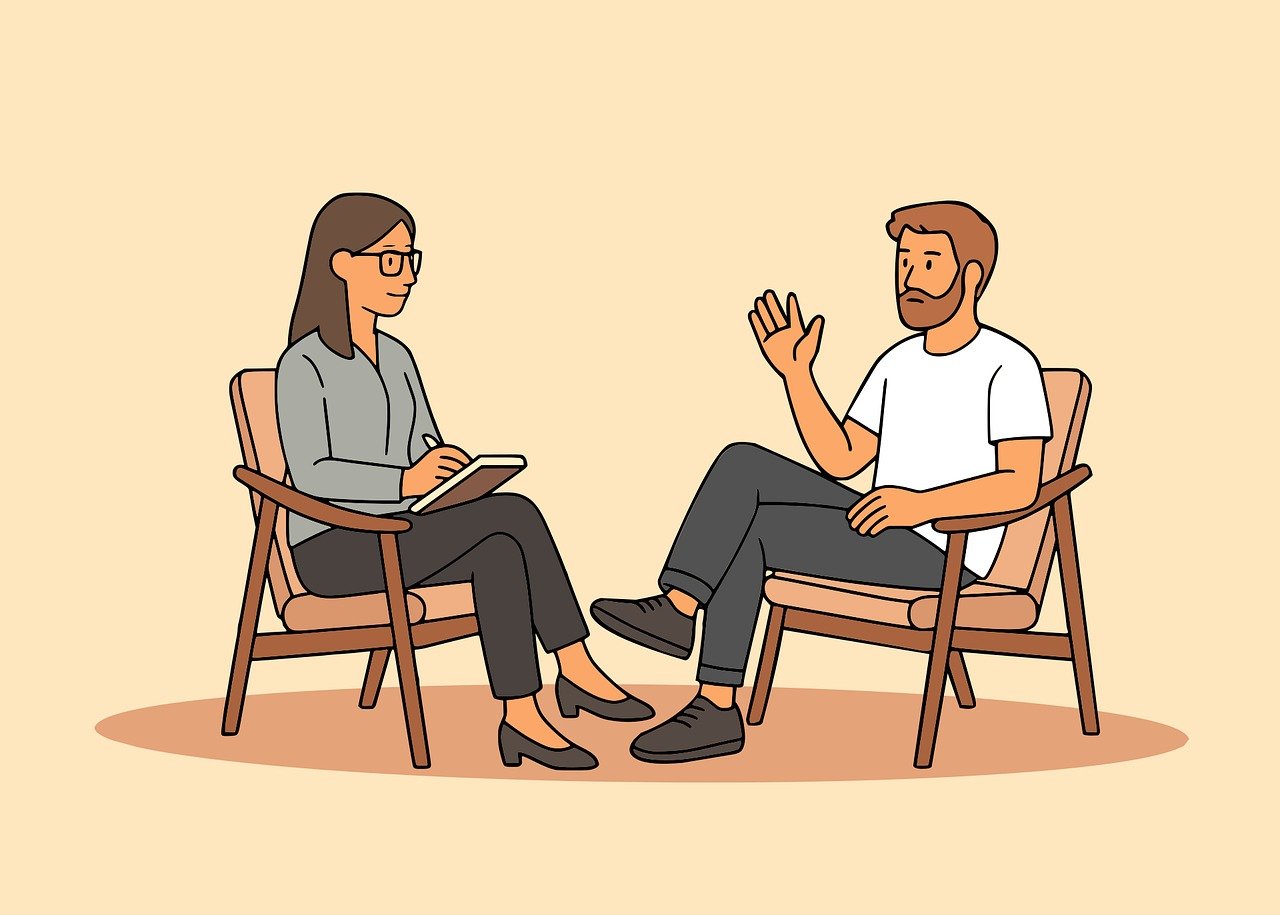

As we head into 2025, Mental Wellbeing will become increasingly important to our lives. As a result of the accelerated pace of life rising pressure combined with an increasing reliance on technology the COVID-19 pandemic will continue to drive an increase in mental health concerns globally.
This article provides some strategies that support our ability to manage stress and anxiety and recover from burnout in our everyday lives today Please refer to the following sections for more information on how to build stronger mental health and improve your ability to deal with life stressors and challenges.
The Changing Landscape of Stress and Mental Health
The World Health Organization states that prevention is the best method of enhancing Resilience Productivity and Long-term Mental Wellness for the entire global population.
Companies like Google are encouraging the establishment of focus times and the eventual elimination of notification sounds to protect our Attention. As a result of becoming less reactive to frequent digital interruptions we are able to reduce Stress Responses and maintain Focus on complex tasks.
Emotional Support via Physical Habits
These physical habits create a new base of strength against anxiety and can help prevent people from experiencing long-term burnout from anxiety.
The foundation of an individual’s Mental Wellness should also be adaptable to their own unique lifestyle and responsibilities.
Anxiety Management Strategies for 2025
The following anxiety management strategies can be utilized for day-to-day life in 2025:
-
Recognizing Triggers of Anxiety Early
-
Calming the Nervous System Naturally
-
Managing Thoughts and Emotional Responses
Recognizing Triggers of Anxiety Early
In order to effectively manage anxiety, a person must recognize his or her triggering situations that create anxiety, whether they are work-related, money-related, relationally-related, or from excess digital activity.
Awareness provides the person an opportunity to stop and evaluate the situation in a more collected manner than if not recognized early. If an anxiety trigger is recognized early on, the emotional response has a greater chance of not developing into a chronic stress response over the course of time.
Constant urgency, the expectation to be hyper-productive, and an overwhelming amount of information can cause many people to develop anxiety. The impact of unmonitored cell phone alerts, email alerts, and work-related demands creates a much higher level of activation of one’s Nervous System than when those things are being controlled.
Once an individual can be aware of these types of external factors that contribute to his or her anxiety, he or she will be able to regain Emotional Control over him or herself as well as stabilize his or her Mental State.
Calming the Nervous System Naturally
The ability to calm the Nervous System quickly and safely is essential for stable Anxiety Management. Deep diaphragmatic breathing, grounding techniques such as stroking, and muscle relaxation can be of tremendous value, decreasing the heart rate and physical tension, respectively, immediately after experiencing a stressful situation.
Calming the Nervous System is also safe and can be performed by virtually anyone at any time, even in public settings.
Managing Thoughts and Emotional Responses
Mental Wellness is enhanced by the inclusion of Tools into the process of Anxiety Management that provide the individual the opportunity to challenge his or her own unproductive thought processes in a gentle manner.
Difficulties with thoughts may be overcome using Journaling and Reflection Tools. Guided response prompts are a very effective tool in being able to develop a calm response, and several programs exist for devices such as those from Apple.
The most effective way to manage anxiety is to incorporate good sleep habits, nutritious eating, Social Supportive Connections into your routine.
Burnout Recovery Strategies To Regain Energy
Recognizing Burnout’s Early Signs
A recent article in 2024 by Forbes outlined how the current increase in burnout is largely due to increased pressure on the technology industry, as well as, an increase in healthcare workers, and remote work environments.
By identifying these patterns in yourself, it is possible to develop a proactive burnout recovery plan for yourself.
Restorative Rest For Burnout Recovery
Rest is critical during burnout recovery due to the necessity to be able to “turn off” the brain and provide yourself with respite from the demands of work and from constant stimulation.
Engaging in activities such as taking walks outdoors, spending time on a creative activity and having some “screen-free” time allows the nervous system to recover and recharge.
Therefore, these forms of activity are more beneficial to recovering mental energy than passively scrolling through social media or being forced to have to work.
Daily Restorative Practices for Mental Energy
-
Consistently engaging in these restorative activities is important in order for individuals to regain their mental energy.
-
Short-term daily recovery rituals, as a form of practice, help individuals avoid becoming exhausted without being aware of it.
-
In addition, this every day ritual will help individuals achieve their motivation and will eliminate the need for long periods of time off work to recharge.
Creating a Healthy Work Boundary
Burnout recovery will be much easier when there are reasonable and defined boundaries, designed to create an environment to protect personal time and emotional resources.
Limiting the use of electronic devices after hours significantly reduces mental strain and the level of anticipatory anxiety. A support mechanism of the workplace culture can also greatly improve an employee’s ability to set boundaries.
Burnout recovery is a process that can last for some people through their entire recovery experience.
Aligning Work With Values for Long-Term Resilience
-
These shorter boundary adjustments can lead to the development of practical methods of relieving stress on a daily basis.
Stress-Relieving Techniques in Daily Work Life
-
Stress relieving methods for today’s busy people focus on simple, daily methods that can be easily integrated into more demanding schedules than ever before.
-
The successful use of stress-relieving techniques allows for continual survivor-like development, including additional emotional/mental resources, as compared to at any time in the past.
-
The continued utilisation of quick and regular micro-breaks contributes to the regulation of the nervous system and the development of mental clarity and cognitive organisation.
Organising Work to Reduce Cognitive Overload
The tools and programs developed by Microsoft and other technology-driven companies promote the organisation of tasks and the minimisation of cognitive overload.
By providing clear schedules, the associated uncertainty and resulting stress responses are eliminated.
Many programs that promote structured and organized planning in the workplace provide a way to develop calmer emotional responses during times of high demands and fast turnaround times.
-
One of the main objectives of stress-relieving techniques should be to allow for a balance between relaxation and active engagement in our work.
Sleep and Recovery to Optimising Mental Wellness
Establishing a Regular Sleep Pattern
Optimised mental wellness in 2025 will rely heavily upon an individual’s ability to develop and maintain healthy sleep routine patterns: that relate to both the day and night.
Experts within the field of sleep and sleep disorders have correlated mental wellness with a consistent circadian rhythm, which is achieved by decreasing the amount of mental stimulation and stressors that individuals are exposed to during the night.
Balancing Physical Recovery and Responsibilities
Attempting to perform additional work during recovery time will result in the continued disruption of the benefits. Thus, protecting your sleep by making it a priority will help to build a more sustainable performance level.
The Impact of Mental Wellness on The Office Environment Within The Framework of Digital First Business Models
Managing Workload While Avoiding Emotional Overload
Furthermore, establishing a structured approach to having tasks managed through time management tools will allow for greater emotional stability throughout busy schedules.
Microsoft and other companies have established dedicated focus work periods as a mechanism of improving both productivity and wellness for their employees.
In addition, companies with clear priorities and objectives reduce the ability of their employees to become overwhelmed due to cognitive strain. As a result, employees are able to make more informed decisions in a calm manner throughout the course of the workday.
Developing Healthy Boundaries Between Remote Work And Personal Life
There is an increased challenge to maintaining mental wellness when working remotely, primarily because the boundaries that exist between personal and professional lives are less defined when working remotely.
Being expected to be available at all times creates anxiety and increases burnout risk associated with being constantly available. Employees can benefit from clarity in terms of their expectations about availability and response time.
-
In addition, improved clarity in communication reduces unnecessary pressure and misalignment of effort.
-
The establishment of these boundaries will provide support to allow either employees to recover from burnout for the long term.
Finding a Job That Aligns With One’s Values And Strengths
The alignment of an employee’s values with their work creates an environment that allows for the employee to maintain sustainable effort rather than be under constant strain.
This ultimately leads to improved emotional balance at work, which enables employees to use social support strategies to support their ongoing mental health.
Enhancing Mental Wellness Through Social Support
Developing Supportive Relationships
Mental wellness increases through an established system of supportive relationships built upon mutual respect and support. Social connection reduces feelings of isolation and decreases an individual’s perception of stress.
In addition, employees who are supported by trusting relationships can shift emotional burden by sharing their experiences emotionally. As a result of this emotional shifting of burdens, an employee’s confidence and ability to cope will improve as time passes.
Making Mindfulness a Way of Life
Your emotional wellness will continue to improve, if your mindfulness practices are realistic and flexible. Short periods each day are better than long spots of time due to the busy schedules that we tend to have.
The most important aspect is the consistency, not the amount of time. Mindfulness may also be practised sustainably without pressure.
Making small efforts each day will compound the benefits and result in an increase in calming effects. The second aspect of this is going from a wellness based defence to a nutrition focused approach.
Mental Wellbeing and Nutrition for Emotional Stability
Creating Dietary Awareness To Decrease Stress
Research regarding the relationship between the consumption of whole foods and mental wellness has been repeated many times. Regular meals reduce the chances of low energy and help support a better response to stressors and improved emotional stability.
Changes to one’s diet over time can be made without suffering an increase in distress.
Making minor dietary improvements will allow you to develop and maintain good habits without putting an increased amount of stress on you. This method is the most supportive option to individuals who are experiencing a longer-term recovery from burnout.
Creating Sustainable Eating Habits
Mental health benefits from creating flexible and realistic eating habits over creating perfect habits.
The ability to consume balanced meals provides a person with resilience in both their emotional and physical state(s) against stressful situations. The benefits of consuming balanced meals supports your ability to function each day.
Physical Activity and Anxiety Management
Researching mental health shows that exercise has been proven to reduce feelings of anxiety among individuals.
In addition to this, these benefits will compound over time as an individual continues to participate in physical activity, which will lessen their susceptibility to a total burnout cycle.
For Sustainable Movement
When an individual makes movement enjoyable and fits into their schedule, they will be more mentally healthy.
This will create less stress and pressure, and less guilt towards movement. Sustainable movement promotes emotional balance.
If an individual takes small daily actions (e.g. walking 10 minutes every day) will create resiliency and serve as the foundation for future self care strategies.
Mental Wellness Through Planned Self Care
The Future of Self Care: Redefining Mental Wellness
For 2025, mental wellness must be redefined to move beyond the trend or occasional act of self care.
To truly care for oneself emotionally will require self care to look like protecting one’s energy, emotional regulation and daily functioning as realistically as possible to best support mental wellness.
Engaging in simple activities consistently will provide an individual much greater benefits than engaging in infrequent, extreme self care or self-care activities.
When engaging in planned self care for mental wellness, the first three things we focus on are:
-
resting
-
nourishing
-
creating and enforcing healthy boundaries
Creating these three things will allow individuals to create a foundation from which to build their mental wellness at a sustainable level without creating additional pressure or unrealistic expectations of themselves.
When considering practices in self-care that actually help with mental wellness, individuals will be more successful at maintaining a consistently good mental health state if their self-care practices fit into the routine of their existing lives.
For example:
-
short walks
-
moments of quiet contemplation
-
intentionally not looking at their mobile phones for a short period of time
These practices can help restore an individual’s balance between his/her emotions.
During busy times, these practices continue to be effective. Self-care is most effective when it facilitates recovery instead of avoidance of recovery.
Small, daily practices are the foundation for emotional well-being and will help to eliminate the risk of emotional depletion.
Consistency will allow an individual to prevent the escalation of anxiety and the recurrence of burnout.
Avoiding Burnout from Self-Care
When self-care becomes an obligation, or a part of performance tracking, it negatively impacts a person’s mental well-being.
By over-planning a self-care routine, an individual creates more stress.
If self-care remains flexible, then the support will not be too draining.
The support of daily flexibility provides emotional balance.
Managing Expectations and Mental Well-Being
Understanding Expectations and Their Effect on Mental Wellness
One of the most significant factors that impacts mental wellness is the inability to meet high expectation levels regarding productivity, success, and control over one’s emotions.
Self-inflicted pressure on an individual to be “perfect” will not help it only produces anxiety and emotional exhaustion.
Increasing an individual’s awareness of the harmful nature of their standards will lessen the amount of anxiety and negativity they experience on a regular basis.
Increased levels of expectation-related stress can occur through digital culture, as well as comparisons between individuals.
The idea of using output to determine a person’s worth does not support emotional balance it instead places unnecessary burden on an individual mentally and emotionally.
How to Let Go of Perfectionism
Perfectionism is often defined as the thought or belief that we will be satisfied only when we have achieved perfection.
A better perspective is to be focused on progress rather than perfection.
Perfectionism causes a cycle of burnout and anxiety.
Accepting that we are imperfect decreases our emotional burden on the individual.
It also provides for continued effort over time rather than diminished effort because of criticism of oneself.
Developing Realistic Personal Standards
In developing a realistic personal standard, consistency in goal-setting is essential.
When setting realistic standards for personal achievement and productivity, the standard should be flexible enough to accommodate changing energy levels.
This means that you will be able to maintain a healthy emotional balance through changing life circumstances and energy levels.
Consistent realistic expectations will reduce pressure on an individual and, therefore, support continued consistency and increase the ability of an individual to develop resilience over time.
This will prepare an individual for the next sections, which will cover the development of long-term strategies to maintain resilience over time.
Developing Coping Skills Gradually
Resilience in Mental Wellness develops through repeated experiences with Coping in response to stressors.
As a result of experiencing consistently manageable stressors, self-confidence develops and Coping Skills are developed through practice and not through avoidance.
Healthy coping skills involve:
-
problem-solving,
-
expressing one’s feelings (either verbally or through writing),
-
and resting.
These coping skills will strengthen an individual’s Emotional Balance, and over time, will naturally increase an individual’s Resilience.
The Effect of Technology on Mental Wellness in 2025
Mental health in 2025 has been largely influenced by constant technology usage from all aspects of our lives including work, social and personal.
Constantly receiving notifications allows our attention to be fragmented and generate stress and anxiety when we are unable to reply.
Once a person has an idea of what technology can do to them emotionally, they are able to reclaim their focus and direct their energy.
platforms increase comparisons and anxiety. By becoming aware of these effects, individuals can create healthier habits with technology.
How to Create Healthy Limits for Technology Use
A lot of professionals now set their devices to focus and only have certain apps open to help protect their focus.
Lessening distracting digital stimuli decreases the amount of stress experienced. Setting these boundaries can create a calmer daily experience.
Using Technology with Intention
Studies show that having technology used to be supportive of one’s goals rather than dictating one’s behaviors can have a positive impact on mental health.
Intentionally using technology leads to greater emotional control and balance.
When engagement is done intentionally, individuals will experience less frequent and compulsive checking habits.
Developing Sustainable Mental Wellness Habits for the Future
Long-term Commitment to Mental Wellness
“Progress, not perfection” is the goal. Long-term consistency of mental wellness practices creates a strong emotional balance and prepares the way for a healthy conclusion.
Conclusion
Mental health is predicted to be at peak development in 2025 however, if we want to attain this predicted objective, we need to create realistic habits that will provide us with constant reassurance and give us direction when faced with potential emotional stress.
We also need to understand what emotions trigger us and continue to offer ourselves support while also not anticipating radical changes to our habits.
We worry not just more, but each day we are more worried about the next.
First step to alleviate this daily anxiety is to establish a suitable daily routine and one that will also be able to help us cope with the stressors in our life as well as challenges generated by the events of today, whilst maintaining an emotionally stable life.
You can do this by being adaptable in your daily life and being kind to yourself.
The more being nice to yourself and being adaptable to your situation that you do, the more opportunities you are creating for yourself to continue to improve your mental health.
Create yourself mental health with making a mindful intention on the decision, make yourself a supportive community of (people you want to spend your time with), and enabling you to enjoy a healthy balanced sustainable day -to- day routine/ job schedule / activities that relieve stress engage you.
These approaches combined will offer you the resources to build emotional resilience and arm yourself with equanimity and sanity in treading through the uncertainties of our post-modern world.