
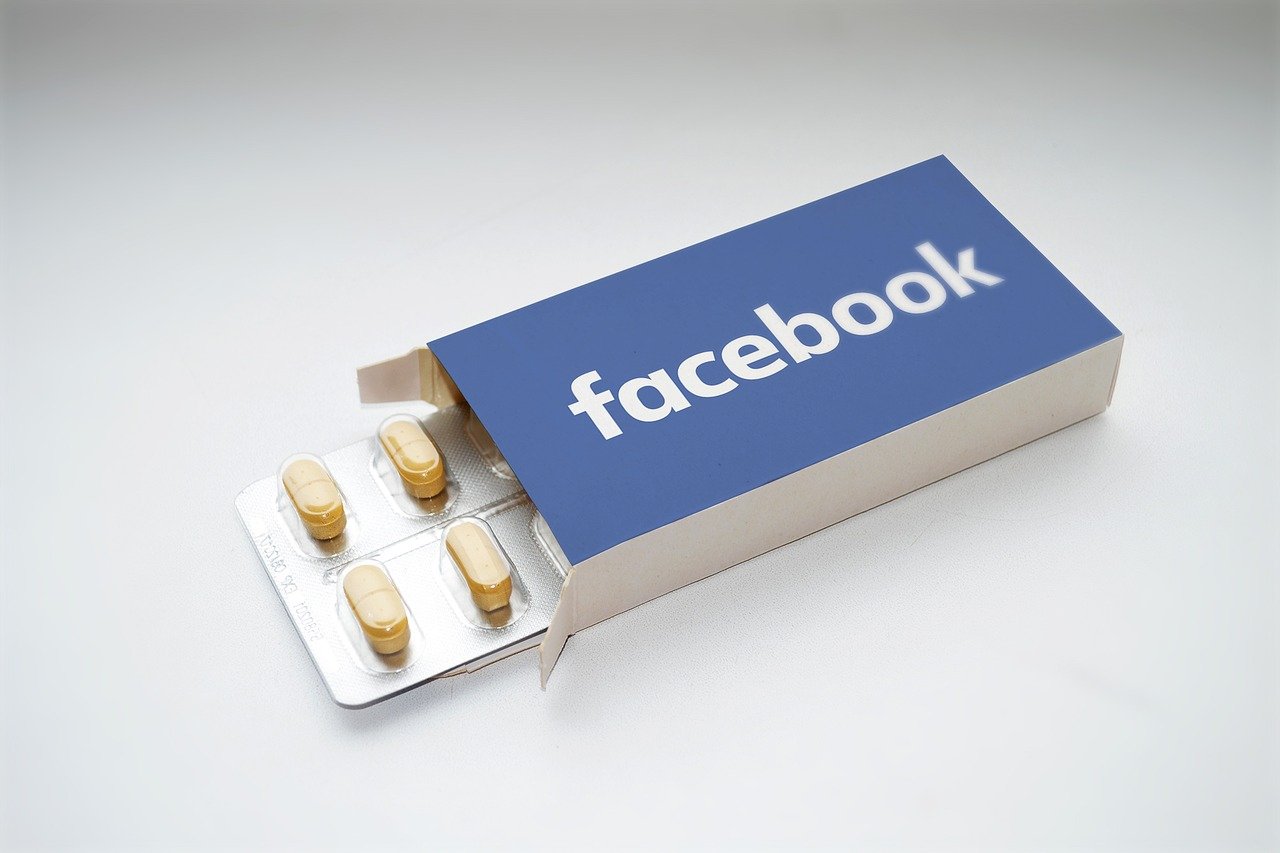
The growing presence of digital technology in today’s society presents challenges to mental wellness through the effects of excessive screen time, the creation of cumulative mental fatigue and reduced ability to concentrate. Digital overload creates new patterns of thinking about focus, rest and emotional equilibrium through the use of smart devices.
The use of remote work tools and the use of social media platforms continue to shape how individuals experience attention, emotional balance and mental clarity in their daily lives. According to the World Health Organization, exposure to excessive amounts of digital media has numerous negative impacts on psychological well-being.
While digital connectivity has helped increase productivity, it has also resulted in the depletion of mental resources and emotional strength. The upcoming sections of this document will describe how the over-usage of digital media negatively impacts mental wellness and how this can affect the way we live every day.
Mind Overload from the Overuse of Digital Media
Digital overuse creates high levels of stimulation and alertness in the human brain, making it difficult to return to states of calm and concentration necessary for regulating one’s emotions. Research indicates that the continuous barrage of interruptions caused by intrusive digital push notifications disrupts natural cycles of thought and recovery.
These repeated disruptions result in the inability of the brain to return to a state of calm and emotional regulation for extended periods of time. Neurological studies indicate that excessive usage of digital media increases the level of stress experienced by individuals and reduces their capacity for attention.
Emotional Disruption Caused by Digital Media
The design of social media platforms specifically seeks to create engagement, which results in the amplification of emotional extremes associated with one’s identity.
Effects of Digital Overload on Daily Well-Being in the Long Term
The Long-Term Effects of Digital Overload on Daily Well-Being have been gradual, not sudden. Over time, as people increase their digital usage, a decline is likely in Quality of Sleep, Stability of Mood and Motivation. They may not recognize these ongoing effects.
Mental fatigue will become the norm through no means of setting boundaries for themselves. Therefore, if individuals know what their patterns are, then they will naturally proceed to understand what effect Screen Time has on Mental Fatigue and Focus.
Mental Fatigue, Focus, and Attention Decline
Mental Fatigue Builds from Screen Time Due to No Natural Breaks and No Physical Movement The Brain Processes Continuous Visual Input and Informational Input without Recovery. Eventually, Mental Exhaustion will Occur.
Brain Fog, Irritability, and Low levels of Motivation are some of the Symptoms of Mental Fatigue and can easily be Misidentified and Attributed to Other Causes, such as Stress. Digital Overload Is also a Major Contributing Factor.
The reason focus Decreases over Time is that the increase in Digital Overload results in Interruptions and demands to Multi-Task with Alerts. As this Occurs, Concentration Increases, and the Ability to Focus Deeply diminishes. Attention Span will become Shallow, and hence, It will Become the New Normal.
As individuals become accustomed to the increased effort involved in Completing a Task, their levels of Satisfaction Decrease. In the Next section, we will Explore Strategies for Improvement.
Digital Overload and Decreased Ability to Maintain Concentration and Focus Improvement Over Time
The Negative Impact of Multitasking on Focus
Digital Overload Weakens Mental Wellness by Increasing Multitasking, across multiple Devices, and Multiple Platforms.In terms of switching between applications, it can interrupt ones ability to concentrate on a task and create more cognitive strain.
When a user switches from one application to another, they must spend more brain energy trying to reorient themselves in the new application and less energy on completing the tasks at hand therefore the overall level of improvement in focus is reduced.
Through Research in Cognitive Psychology, it is clear that the act of multitasking creates both a decrease in efficiency and accuracy of completion.
-
With arrival of notifications and distractions constantly infiltrating our environments, we have ultimately manifested a habit of fragmented rather than sustained attention.
-
As this pattern continues, our brains become conditioned to expect interruptions as opposed to sustained depth.
The Fragmentation of Attention in Daily Life
A considerable part of the day is spent in a state of Digital Overload, as a result of constant updates and notifications, even while performing simple tasks.
Due to how we have been conditioned to respond to these distractions The amount of time taken between switching tasks becomes negligible.
This fragmentation and Digital Overload creates a significant amount of Mental Fatigue and also significantly decreases our ability to attain the level of Satisfaction when completing tasks.
-
To put it another way, our brains have been conditioned to view the process of completing tasks much more difficult than it actually is.
-
It also makes attaining levels of improved focus through normal means difficult without some type of intentional intervention.
The Long Term Impact on Productivity
Until we address the causes of Digital Overload, the potential for improved Focus resides on limited levels.
Understanding the Effects, enables us to prepare for the Emotional Effects next.
Emotional Effects of Constant Digital Stimulation
Increased Levels of Anxiety and Restlessness
The overall state of Mental Wellness, continues to decrease as a result of Mental Overload keeping our Nervous System activated continuously.
-
As a result of the constant updates and interruptions our brains feel an increased sense of Urgency and Restlessness
-
Calm states become unfamiliar.
Less Downtime to Recover Emotionally from Digital Overload
Digital Overload also decreases the amount of Time it takes to recover emotionally from digital stimulation.
-
In addition, we find ourselves more likely to scroll instead of taking Time for Reflection and Decision Making, therefore we do not resolve the emotional build-up caused by Digital Overload.
-
Without Recovery Time from Digital Overload builds an emotional build-up.
As this accumulation continues eventually leads to Increased Irritability and Overwhelm. and thus the continued erosion of Mental Wellness.
Emotional Detachment or Numbness
Some People become emotionally detached or numb from the continuation of Digital Stimulation.
-
Overtime, individuals become less emotionally responsive to Digital Stimulation, creating a Lack of Connection or Engagement with what we read or viewed as we continue to Scroll through Digital Content and notifications.
The detachment is a direct indication of overload instead of resilience in the user.
-
The recognition of this will be the first step toward becoming aware of their overload.
-
Physical health and sleep-related effects will naturally flow from that awareness of overload itself.
The Effects of Digital Overload on Sleep and Physical Health
Disrupted Patterns of Sleep
Poor quality sleep is closely linked to mental wellness, which is often disrupted due to digital overload.
The time delay that occurs in the production of melatonin due to the use of screens makes it difficult for individuals to fall asleep.
People often have fragmented sleep patterns, as they use their devices late into the night, which causes additional fatigue during the day and instability of mood.
This creates a cycle that a person repeats each day.
The Cumulative Health Effects Of Digital Overload
Overtime, the cumulative impacts of digital overload on one’s total health will be experienced through decreased energy levels, lengthened recovery times, and a decrease in overall mental wellness. By recognizing the physical signals, a person can develop a healthier lifestyle.
Challenges Associated With Mental Wellness Resulting From An Overload Of Information
Constantly Consuming Information
The mental wellness of an individual becomes compromised when digital overload exposes them to non-stop news updates and content on the Internet. The amount of information is greater than the capacity of one’s brain to calmly process in a timely manner.
As a result, the constant flow of information continues to create cognitive stress upon and mental fatigue over the course of the day. The habit of constantly scrolling (“endless”) creates a state of mind where one continues to consume but never has the opportunity to process information.
The Inability To Identify What Matters
The overload of digital information creates challenges for individuals in distinguishing between important information and the “noise” of information. This has created an expectation for everything to be urgent and therefore has exhausted one’s ability to prioritise what is truly important.
The Mental Weight of Negative Media Exposure
The more one is exposed to negative media content on a daily basis, the more they will suffer psychologically from that content.
Digital Overload in the Workplace
The constant flow of emails, and messages creates digital overload, which creates constant availability, and eliminates work/life balance. Therefore, work never “ends” and recovery time is reduced significantly across the workweek.
Recent Developments in Remote Working Tools have created an expectation of continually being available. Mental fatigue builds up throughout the week, without regard to what has caused that fatigue or how it accumulates.
The Barrier that Digital Overload Creates to Our Ability to Accomplish Deep Work
The interference from Digital Overload reduces an employee’s ability to remain focused on accomplishing deep work for extended periods of time. Every interruption from a message or email resets attention and prevents individuals from achieving sustained states of concentration or “flow”.
Most employees will spend the majority of their workday engaged in shallow levels of concentration. If improvement in focus is to occur, it will require the implementation of intentional behaviour changes, otherwise productivity and mental wellness will continue to suffer.
The Impact of Chronic Cognitive Exhaustion and Burnout on Mental Health
As chronic cognitive exhaustion become a condition of each of our lives, mental health will become negatively affected because motivation decreases and all work begins to feel emotionally and cognitively heavy.
As individuals become chronically overstimulated by Digital Overload, they are at greater risk for experiencing Burnout.
The Impact of Digital Overload on Our Relationships and Ability to Be Present
Attention becomes divided between people and devices, which weakens emotional connection and reduces the overall quality and satisfaction of relationships over time.
When cues are missed, misunderstandings increase. Consequently, relationships feel less satisfying to both individuals, and mental fatigue further reduces emotional availability and responsiveness.
Disconnection and Emotional Distance
Digital overload creates a gap between ourselves and those around us. As reflection becomes less common, emotional distance grows and the ability to maintain fulfilling relationships declines.
Utilising Digital Limitations to Restore Mental Health
Creating Clear Technology Boundaries
The journey toward improved mental health can begin by reducing digital overwhelm through intentional technology boundaries. Continuous availability keeps individuals mentally engaged without recovery, while boundaries allow gradual emotional regulation and calm to return.
Eliminating Digital Screen Effects Gradually
The most significant reduction in adverse screen effects occurs when usage is reduced gradually rather than abruptly. Gradual reductions feel more manageable, allowing alternatives such as music or movement-based activities to replace mindless scrolling.
Creating Sustainable Digital Boundaries
Individuals improve mental well-being by creating digital boundaries aligned with real-life obligations.
The Rebuilding of Sustainable Focus Improvement: How to Build Sustainable Focus Improvement in a Distracted World
The Building of Deep Attention
Mental wellness improves when individuals prioritize building sustainable focus rather than multitasking habits. Deep Attention requires uninterrupted time, and although Digital Overload makes this difficult, it remains achievable with consistent intentional practice.
Supporting Focus with Environment
Mental wellness increases when environments support focus improvement. Reducing visual and digital clutter limits distractions, protects attention, and allows quiet spaces to encourage sustained thinking and reduced mental fatigue.
Long-Term Strategies for Protecting Mental Wellness
Building Awareness of Digital Habits
Mental Wellness benefits from the Building of Awareness of our Digital Habits. Building Awareness of the impact of our Screen Time allows us to make Conscious Choices in our Digital Habits -instead of using impulse to decide how much time we spend scrolling through our Social Media.
Tracking the Digital Usage Behaviour of Individuals we can begin to see where Digital Overload occurs, which allows for managing Mental Fatigue easier, as well as providing the Insight and basis for an Intentional Change.
Creating Healthier Digital Wellbeing Habits in Our Daily Lives
Changing From a Reactive Mindset to a Thoughtful Mindset
By addressing the issue of digital overload and changing our use of a digital device from a reactive act to an Intentional usage of a device to help us, we will see significant improvement in our mental wellbeing.
You train your mind to be alert when you constantly check your phone/device you train your brain to use your mind to intentionally use your device, in which case, you can experience a sense of choice and calmness.
When we take control over our devices and determine when and how to use them, we decrease the feelings of mental fatigue. Notifications do not hold the level of urgency that they once had or still do to some.
We are more likely to manage screen time’s influence on our body and mind by allowing our daily routine to become more balanced.
“Stop” using the passive-scrolling action of a social media account that takes little or no time to help with your recovery. Taking regular breaks will also allow you to rejuvenate your emotional balance through taking short walks or time for reflection.
The act of finding an alternative for passive scrolling does not create an experience of deprivation, but instead creates a larger possibility of decreasing digital overload. The improvement of focus will become apparent as mental energy remains focused over time.
The Importance of Consistent Digital Wellbeing Habits
The longer we create Intentional habits, the less frequently we will relapse into digital overload.
Eventually, by creating Intentional habits, we will reduce our mental fatigue levels we will become less affected by screen time than what we may have experienced previously.
Therefore, those individuals that actively create sustainable healthy, digital habits have a foundation for maintenance of their wellness in the future.
The Importance of Awareness When Managing Digital Overload
Recognizing one’s own limitations with digital input is important to the improvement of mental wellbeing.
As no two people are the same, each person’s brain processes stimulation differently.
By establishing a level of awareness of one’s own limits, individuals will be able to avoid becoming overloaded prior to becoming physically and mentally exhausted.
By being aware of our body’s signals that are presented to us as early indicators of mental fatigue, we can recognise the time when we can make an adjustment.
Having awareness allows us to maintain our emotional health and cognitive energy on a consistent basis every day.
Listening to Our Mental Stress Signals
One’s own mental wellness relies on an awareness of how our body, mind and emotions are communicating with us to signal possible overstimulation or digital overload.
Mental fatigue will often manifest itself in the forms of irritability, mental sluggishness and agitation.
If these signals are ignored, the mental fatigue will worsen.
Having the ability to recognise the early stages of mental fatigue will allow for creation of the Engagement Zone (where you become able to make the adjustments to improve focus), which develops clarity in mental thinking.
The ability to create clarity in mental thinking will improve faster as we create awareness as a defensive strategy for maintaining mental wellness over time.
Adjusting Our Digital Habits from a Place of Self-Care
Mental wellness will develop over time when we make adjustments to our digital habits without judgement.
The act of changing our digital habits takes time, and will be supported over time with compassion.
Awareness is a way of building trust with yourself over time.
When we have developed trust with ourselves, we will be able to continually and successfully convert our digital habits from an act of reactivity to intentionality.
In Conclusion
Today, there are significant challenges that the impacts of digital overload will have on a person’s ability to have full awareness of their thoughts and energy, in addition, to their overall emotional balance.
As technology continues to be an integral part of our lives, a person’s mental wellness must be developed from a mindset of conscious engagement to be able to become a digitally-driven creature.
In doing so, it will necessarily assist in stabilising the emotional balance of an individual, while creating improvements to their focus, and subsequently, create long-term resilience to stress.
By developing a balanced form of awareness and engagement with the technology we utilize, we can ensure that technology will support our lives instead of overloading our lives.